
Understanding the Importance of Web Design
Impact on User Experience
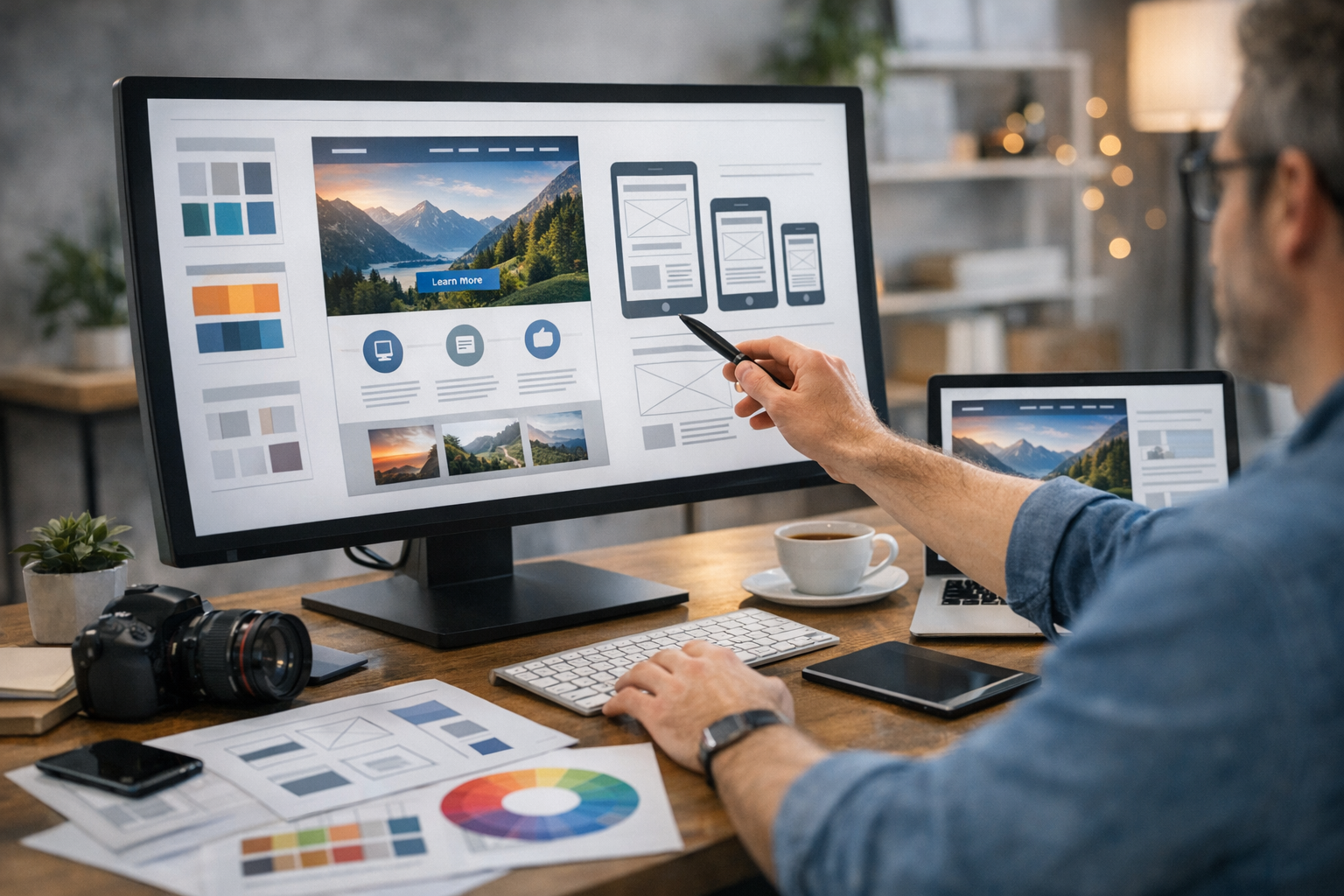
In today’s digital-driven environment, web design is not just about aesthetics but about crafting a seamless user experience. A well-designed website is user-friendly, intuitive, and responsive, catering to diverse audiences and devices. Businesses must partner with a web design company that understands the nuances of user interfaces and experience to keep visitors engaged and reduce bounce rates. This requires a professional web design company to understand the key components of user experience, including the website’s structure, navigation, and overall functionality. Utilizing user-centered design and thorough usability testing, a responsive web design can adapt to any screen size and ensure consistency across devices, ultimately enhancing accessibility and user satisfaction.
In addition, an expert web design team uses modern tools like heatmaps and user analytics to track user behavior on the site. By evaluating these insights, web developers can identify stumbling blocks in the user journey, diagnose problems quickly, and optimize design elements perpetually. Understanding these analytics cultivated through advanced digital marketing practices allows for modifications that continuously improve user experiences and contribute significantly to the website’s performance.
Influence on Brand Perception
Your website is often the first touchpoint for potential clients and visitors, making it a critical component of brand perception. A professional web design provider will leverage company colors, logos, and branding essentials to create a cohesive, memorable presence. This careful curation helps businesses build trust with their audiences while setting themselves apart from competitors, ultimately reflecting their brand identity. However, the importance of content creation in reflecting your brand’s identity cannot be overstated. Content management systems (CMS) come into play here; they allow for efficient organization and dynamic updates, keeping your website current and reflective of your brand ethos.
The role of web design firms in maintaining a consistent brand image extends to anticipating their clients’ needs. Many successful projects are born from an in-depth understanding of the target audience. Web designers integrate aesthetic designs with strategic messaging that resonates with and engages the desired demographic. Whether the aim is lead generation or strengthening brand loyalty, a good web design company crafts an environment where corporate identities flourish.
Current Industry Trends in Web Design
The Rise of AI in Design
Artificial intelligence (AI) is revolutionizing the way web design companies approach their craft. By leveraging AI tools, web designers can automate tasks such as content placement, layout design, and even personalized user experiences. This trend not only enhances efficiency but also ensures a more tailored user experience, paving the way for more sophisticated, data-driven design strategies.
AI’s role in website design also extends to search engine optimization (SEO). Through AI-driven insights, web development companies can better understand search engine algorithms and adjust designs for optimal indexing and ranking. AI can predict user behavior by analyzing massive datasets, allowing digital marketing agencies to create personalized, engaging experiences tailored to individual browsing habits. This adaptation leads to better user retention and more meaningful digital interactions.
Mobile-First Design Trends
With the increasing use of mobile devices, a mobile-first approach has become essential. This trend involves designing web experiences primarily for mobile users and then adapting them for desktops. A good web design agency prioritizes responsive design and ensures consistent functionality across devices, offering an optimized browsing experience that addresses modern consumer behaviors. The shift towards mobile-first design is guided by a clear understanding of mobile user interaction and device limitations, such as screen size and touch navigation, which differ significantly from desktop experiences.
Moreover, the mobile-first strategy often uses accelerated mobile pages (AMP) to enhance speed and performance. This lightweight framework aids in faster loading times, crucial for search engine favorability and user retention. A web development partner that effectively implements this approach ensures your website’s accessibility and competitiveness in the digital market, appealing to the always-connected, on-the-go consumer lifestyle.
Key Considerations for Choosing a Web Design Company

Aligning with Business Objectives
When selecting a web design agency, it’s crucial to ensure that their vision aligns with your business goals. This means clearly communicating your objectives and assessing whether their expertise and services can support those needs. A smart partnership focuses on achieving measurable results, such as increased conversions or improved search engine rankings. To achieve this, start with a clear definition of business objectives and KPIs so that expectations and results are in alignment.
The right web design company will take time to understand your market position and strategic goals, leveraging their experience to create effective web solutions. With capabilities extending to ecommerce websites and customized enterprise solutions, partnerships with knowledgeable service providers differentiate your brand. A design company’s understanding of your unique selling propositions helps in crafting web designs that serve as effective marketing tools and customer touchpoints, ultimately driving fulfillment of long-term business objectives.
Evaluating Past Work and Experience
Reviewing a company’s past projects and client feedback provides valuable insights into their capabilities and reliability. A robust portfolio showcasing diverse, successful projects is a strong indicator of a web design firm’s expertise. Potential clients should look for innovation, functionality, and user experience in past designs to ensure a good fit with their own project requirements. Web design firms with a proven track record demonstrate adaptability and creativity, essential for meeting complex business challenges.
Communication with past clients can also uncover the quality of post-launch support, an often-critical element that maintains and enhances site functionality after going live. Also, it’s beneficial to assess how potential design companies incorporate user feedback into their design process. This highlights not just technical prowess but also a commitment to customer satisfaction, a core component in guaranteeing a successful project outcome.
Technical Deep Dive: What to Look for in a Web Design Process
Responsive Design Techniques
Responsive design is non-negotiable in today’s web landscape. A professional web design company should demonstrate a deep understanding of fluid grids, flexible images, and CSS media queries to ensure seamless adaptability across all devices. This technical prowess not only enhances user experience but also boosts the site’s performance and search engine rankings.
For businesses, a successful mobile-friendly strategy includes preparing for all types of mobile interactions and testing rigorously across platforms and browsers. Advanced techniques such as server-side rendering (SSR) and progressive web applications (PWAs) can significantly improve load times and user experience, offering near-native mobile functionality without the need for an installed app. Integrating these advanced solutions demonstrates technical depth, providing a competitive edge and reinforcing your brand’s digital identity as innovative and user-focused.
SEO Best Practices Integration
Integrating SEO best practices into the web design process sets a solid foundation for digital marketing success. An ideal web developer considers factors such as fast load times, mobile optimization, and clean coding to improve search engine visibility. Understanding and applying these techniques results in a well-designed website that attracts quality traffic and enhances the user journey.
The right web design team also incorporates SEO optimization by crafting websites that accommodate schema markup for rich results on search engine results pages (SERPs). By employing structured data, your site offers search engines detailed context enabling enhanced visibility and user engagement opportunities, such as featured snippets. Effective SEO strategy is embedded from the ground up, not bolted on post-launch, ensuring a sustained web presence that consistently draws targeted demographic and business inquiries.
Communication and Project Management

Understanding Their Communication Style
Effective communication is a cornerstone of a successful web design project. Prospective clients should evaluate how potential web design companies approach initial consultations, feedback loops, and regular updates. Clear communication fosters transparency and minimizes misunderstandings, leading to a more efficient design process and timely project completion. The right web design agency recognizes this and aligns its practices to prioritize open dialog, responsiveness, and accountable reporting.
Check that the company employs robust communication tools, such as Slack or Microsoft Teams, for efficient bridging of information gaps. Consistent and structured communication enables seamless project management and steady progress discussions, giving stakeholders a platform to influence necessary adjustments and refinements. This clarity ensures a concerted effort towards project goals and fosters mutual trust and understanding throughout every phase of development.
Project Management Tools and Practices
Robust project management practices ensure project timelines, tasks, and goals are met efficiently. Many web design firms use tools like Trello or Asana to facilitate structured workflows and collaboration. Clients should inquire about a company’s project management strategies to assess their ability to handle deadlines, budgets, and team coordination. These tools provide transparency and ease of access to create clarity of all project ongoing tasks and progress updates.
An adept project manager will employ agile methodology, allowing for flexibility, oversight, and quick adaptation to change when necessary. Agile emphasizes short development cycles with regular check-ins and deliverable evaluations. A commitment to agile practices indicates proactive future-proofing by focusing equally on processes, interpersonal interactions, and practical technical solutions that ultimately cater to ongoing business and customer demands.
Support and Maintenance Services: Post-Launch Considerations
Ongoing Site Management
A partnership doesn’t end at the launch of a new site; ongoing maintenance is crucial. A professional web design agency offers post-launch support, including updates, bug fixes, and performance monitoring to keep your site competitive. This ongoing relationship ensures that your website adapts to changing technology and user expectations. The ongoing support extends to technical SEO updates—ensuring the website remains in compliance with ever-evolving search engine protocols and security measures critical for user data protection.
Active website management also involves regular content updates, backed by a content team that’s adept in employing analytics-based decisions for better engagement outcomes. Serving not just as maintenance agents but as growth partners, web design companies investing in performance-driven post-launch strategies help sustain the website’s relevance and effectiveness over its lifecycle.
Future-Proofing Your Website
Building a future-proof website involves anticipating and mitigating potential disruptions. A good design company incorporates scalable solutions and emerging technologies to ensure longevity. This proactive approach protects your investment and positions your business for the evolving digital landscape, reflecting both strategic foresight and technical adaptability.
Incorporating headless CMS solutions is one strategy rapidly gaining favor. These systems decouple the frontend display from backend services, allowing developers to deploy improved deliverability and user experiences without altering core architecture. Such innovations warrant potential design companies’ inclusion as vital considerations aligning with your growth trajectories and business resilience in unpredictable business environments.
ROI & Cost Analysis When Hiring a Web Design Company

Understanding Pricing Models
Understanding different pricing models helps in making informed decisions. Web design services often range from fixed prices to hourly rates, with each offering distinct advantages depending on the project scope and duration. It’s important to evaluate what’s included in the pricing to align with your budgetary constraints and business needs.
The financial commitment should reflect value through a comprehensive scope of deliverables, including a dedicated development team, post-launch support, robust SEO foundations, and scalable tech innovations. A holistic review of all potential web design companies’ offerings facilitates value comparison, aligning business needs meet competitive market realities effectively.
Assessing Long-Term Benefits
Assessing the long-term benefits of a web design investment is crucial for calculating ROI. A well-designed and optimized website not only drives traffic but also improves conversion rates and enhances brand loyalty. This long-term view transforms the design expense into a strategic investment, delivering tangible business growth over time.
A business-focused web design focuses on future-focused digital strategy, understanding evolving market trends, and optimizing lifetime value impacts derived from ongoing user engagements. Ultimately, successful collaboration with a skilled web developer augments performance insights, sales growth opportunities, and the realization of compound returns from a robust online presence.
Quick Tip: When assessing a web design company’s offer, compare their pricing with the scope of deliverables to ensure you’re receiving good value for money.
Common Pitfalls to Avoid When Selecting a Web Design Partner
Overlooking SEO Capabilities
A common mistake is neglecting the importance of search engine optimization within the web design process. A web design agency should employ SEO techniques from the ground up, integrating keywords, meta tags, and mobile optimization to support overall search rankings. Ignoring these aspects could result in a website that looks great but performs poorly in search engines.
In the contemporary marketing dynamic, the relevance of robust technical SEO cannot be understated. Avoid providers taking minimal SEO measures and look instead for firms readily investing in website data analytics, contextual SEO, and search behavior trends. These insights enhance strategic on-page foundations, promoting visibility and engagement for sustained competitive benefits.
Ignoring Client Reviews
Client testimonials and reviews offer insights into a company’s credibility and reliability. Reading feedback from past clients can highlight strengths and potential issues in service delivery. Businesses should conduct due diligence to ensure they choose a web design partner with a track record of satisfaction and success.
Besides testimonials, exploring a design agency’s award recognitions and industry collaborations may offer deeper insights into their market standing, innovative capabilities, and professional drive to achieve exceptional client results. Inquiries into how disputes or client challenges were handled demonstrate the agency’s commitment to client satisfaction—essential for trust-building and cultivating long-term project synergies.
The Role of Local SEO and PPC in Web Design Strategy

Leveraging Local SEO Opportunities
Incorporating local SEO strategies into web design can significantly enhance the online presence of businesses targeting geographical regions. Web design companies proficient in location-based SEO strategies help improve visibility in local search results, facilitating greater engagement with target audiences in specific locales.
Effective approaches incorporate specialized geo-tags and include local business schema markup, ensuring search engines can easily position your site for relevant location-targeted searches. Incorporating local SEO into website design reinforces your local brand authority, drawing naturally to your positioning and improving visibility.
Incorporating PPC Effectively
Pay-Per-Click (PPC) advertising is a powerful tool that, when integrated into your web design strategy, maximizes online marketing efforts. A well-structured website designed with PPC goals in mind can lead to higher conversion rates and reduced cost per acquisition. Strategic use of PPC can therefore drive immediate traffic while supporting overall business goals.
Advanced web design strategies incorporate PPC-friendly features such as landing pages optimized for high conversions, precise targeting mechanisms vis-a-vis analytics insights, and seamless integration with advertising platforms. By selecting proven design companies whose skills epitomize PPC effectiveness, you capitalize holistically on the entire digital marketing ecosystem, ensuring compelling ROI.
How to Ensure a Successful Web Design Partnership
Setting Clear Objectives and Timelines
Defining clear objectives and timelines from the outset is fundamental to a successful web design partnership. Establishing these parameters ensures all parties understand the project scope, budget, and deliverables. A structured plan avoids scope creep, aligns resources effectively, and provides a road map for achieving set goals.
Project management expertise ensures accountability and efficiency by mapping development milestones against project timelines. From ideation to completion, adhering to structured processes ensures coherent synchronization between design progression and client satisfaction, paving the way for innovative collaborations that fulfill business goals sustainably and satisfactorily.
Regular Performance Reviews
Consistent performance reviews and feedback loops help maintain alignment and ensure the project stays on track. Evaluating progress and addressing mishaps promptly allows for the timely resolution of issues. This ongoing assessment fosters a collaborative environment that encourages continual improvement and adaptation to evolving project demands.
Performance evaluations focus on pragmatic and strategic insights derived from measurable outcomes, refining design processes, and optimizing deliverables adjusting for user preferences and technological disruption. By maintaining performance engagement consistency, your business benefits from dynamic, adaptable, robust digital solutions that keep pace with market and consumer trends.
Frequently Asked Questions
How can I evaluate a web design company’s portfolio effectively?
What new technologies should a web design company be proficient in for 2026?
How does web design affect local SEO?
Should I prioritize experience over cost when choosing a web design company?
What are the warning signs of a poor web design company?
