

Understanding Nofollow Links

What Are Nofollow Links?
Nofollow links are hyperlinks that use an HTML attribute, specifically rel=”nofollow”, to communicate with search engines that the link should not influence the ranking of the destination page. Essentially, they do not pass ‘link juice’, the term used in SEO to describe the value or authority a site can pass onto another via links. Initially, search engines only followed dofollow links, which contributed to a page’s SEO value by transferring link juice. Nofollow links, introduced to protect against spam and maintain credible linking practices, are vital to preventing manipulative link-building tactics.
However, the real-world application of nofollow links extends beyond spam prevention. For instance, a well-placed nofollow link on a high-traffic site can direct substantial referral traffic to your site, thus indirectly supporting SEO efforts through increased visibility and engagement. Website owners incorporate nofollow links in their SEO strategies to maintain a balanced and natural backlink profile, a crucial aspect of avoiding penalties from search engines that scrutinize link-building strategies.
Evolution of Nofollow Links
The nofollow attribute was introduced by Google in 2005 primarily to combat comment spam, a growing problem on blogs and forums where users drop irrelevant links for SEO gain. Over time, Google’s algorithmic approach to nofollow links has evolved significantly. While they originally served as a strict deterrent for undesired linking behaviors, search engines now interpret them as ‘hints’ rather than commands, incorporating them into the broader contextual understanding of a site’s search engine rankings.
This evolution indicates the expanding role of nofollow links in determining a website’s authority. Search engines, including Google, now partially assess nofollow links alongside dofollow links to derive an accurate representation of a site’s credibility and relevance in the vast digital landscape. This nuanced approach requires website owners and SEO practitioners to skillfully integrate nofollow backlinks into their strategies, ensuring compliance with Google’s webmaster guidelines while leveraging these links to foster organic growth.
Nofollow Links in Modern SEO Strategy
Why Use Nofollow Links?
Nofollow links play a crucial role within a comprehensive SEO strategy. They allow website owners to signal content relevance and establish authority without directly affecting search engine rankings. Their strategic importance becomes critical when dealing with backlinks that might be scrutinized, such as paid links or links within user-generated content, where transparency and adherence to Google’s webmaster guidelines are essential.
Nofollow links serve not only as a tool for SEO strategy but also as a means to build trust and credibility. For example, an established e-commerce platform might use nofollow links for affiliate partnerships or promotional content to separate marketing initiatives from organic link-building efforts. Additionally, websites engaging with dofollow and nofollow links can better manage their link profile’s authority and diversity, contributing to a more secure and reliable online presence, ultimately aiding in long-term SEO value.
Impact on SEO Rankings
While nofollow links themselves do not pass link juice or directly contribute to search rankings, they can significantly impact a website’s perceived relevance and authority. Search engines favor a natural link profile, comprising both dofollow and nofollow links, as it signals organic growth as opposed to manipulative SEO practices. A well-rounded backlink profile, which includes nofollow links, can indirectly enhance search rankings by building a credible and diverse linking environment.
In practical terms, businesses looking to maintain a balanced SEO strategy should actively build nofollow links to diversify their link-building efforts. For example, obtaining nofollow backlinks from industry-related forums or reputable websites can subtly boost a brand’s visibility and authority within its niche, indirectly helping improve the website’s performance in search engine results pages.
Technical Deep Dive: How Search Engines View Nofollow Links
Google’s Current Stance
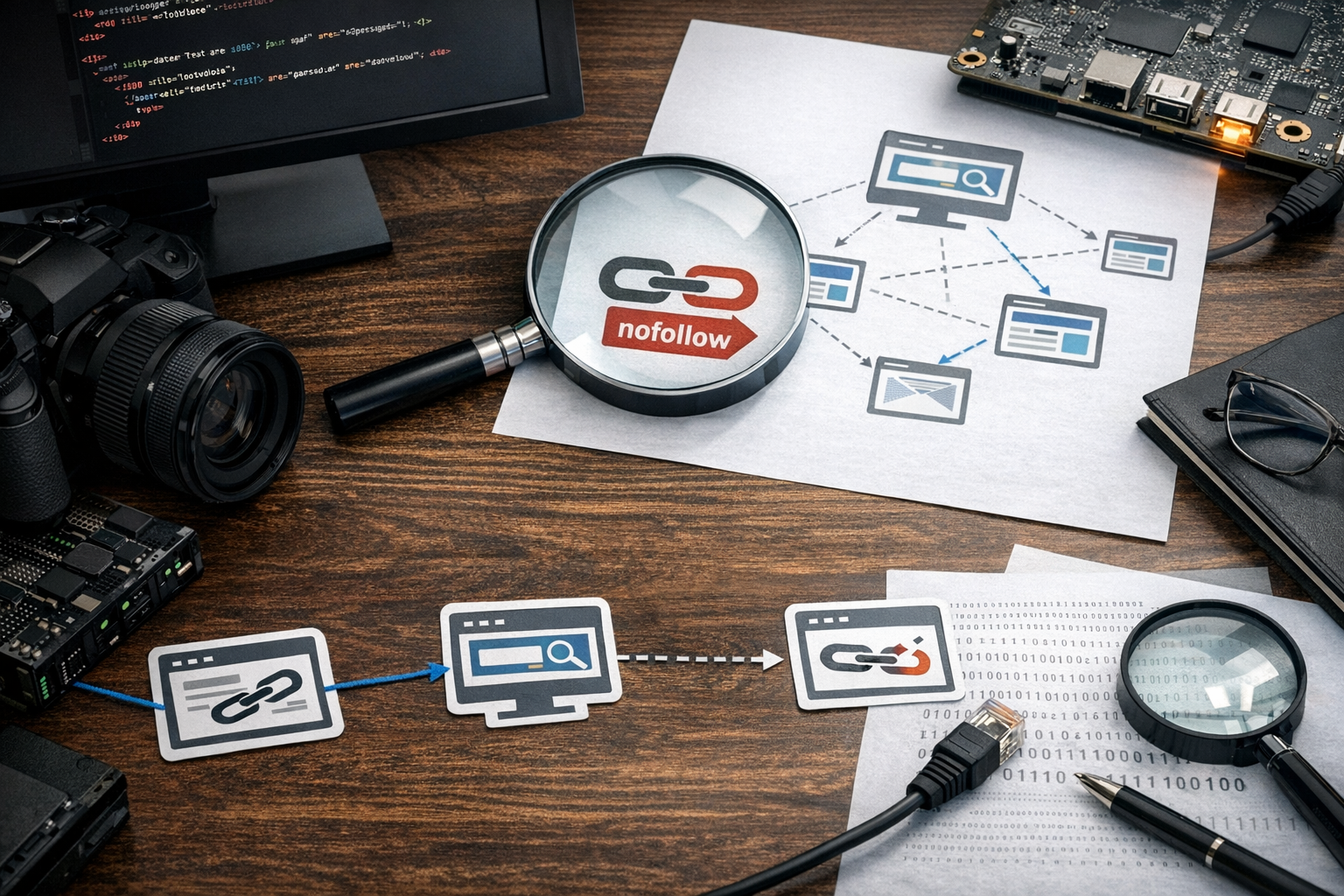
Google’s approach to nofollow links has shifted from rigid disregard to a more integrative methodology, using them as ‘hints’ rather than obligatory directives. This change reflects Google’s continual quest to improve the quality of search results while capturing the true landscape of web activity. By considering nofollow links alongside other signals, Google now captures a more comprehensive picture of a site’s authority and relevance, emphasizing the role they can play in a site’s overall visibility without relying solely on them to convey link juice or domain authority.
This change necessitates a nuanced understanding of link code and attributes to advance your SEO strategy. Website owners must ensure that their external links network remains robust and reputable, thereby minimizing the risk of negative impacts from manipulative linking practices. Properly implementing and managing these various link types, including follow links, dofollow backlinks, and nofollow links in SEO campaigns, is fundamental in maintaining or boosting SEO rankings.
Algorithmic Changes Over Time
Google’s interpretation of nofollow links has evolved with advances in their algorithms, integral to the growth of SEO strategies worldwide. Previously, nofollow links were entirely ignored in rankings. Nowadays, however, Google factors them into its assessment of a website’s authority and relevance, albeit primarily as secondary cues to main signals from dofollow links and page authority.
This ongoing algorithmic evolution underscores the necessity for website owners to stay agile in their SEO efforts. Staying abreast of these changes ensures that their link-building strategy is not only current but also aligned with improving prospects of passing SEO value effectively. Understanding this evolution enables businesses to craft a future-proof marketing strategy that matches their customers’ expectations and the dynamic search landscape.
Quick Tip: Strategically placing nofollow links on reputable websites can yield SEO benefits, such as increased visibility and traffic, without attracting penalties for manipulative practices.
Referral Traffic from Nofollow Links
Visibility Through Nofollow Links
Even though they don’t directly influence search rankings, nofollow links can play an influential role in enhancing a site’s visibility through referral traffic. When placed on high-traffic or authoritative sites, these links signal credibility and catch the attention of search engines, portraying your content as worthy of discussion and reference.
For instance, a blog post that includes strategic nofollow links to your site can draw interested readers, increasing engagement and establishing you as a knowledgeable and reputable source within your industry. This aspect of using nofollow links plays a vital role in driving targeted traffic to your website, increasing the chances of engagement and conversion without having to rely on search engine results pages.
Traffic Generation Impact
By placing nofollow links on popular, reputable websites, companies can generate significant referral traffic. This practice is especially beneficial for businesses that rely on direct traffic for branding or sales, offering a robust alternative to search-driven traffic. The key lies in identifying the right platforms and communities where nofollow links will naturally engage audiences, subsequently driving traffic and boosting business visibility without the necessity of ranking-driven techniques.
Beyond this, businesses can maximize the utility of nofollow links by ensuring relevance and context in their placement, associating their brands with related topics and similar reputable voices. This strategic placement enhances their reach, tapping into diverse audiences and expanding brand visibility, a critical outcome where SEO value from search rankings is not the primary focus.
Nofollow Links in Local SEO
Influence on Local Rankings
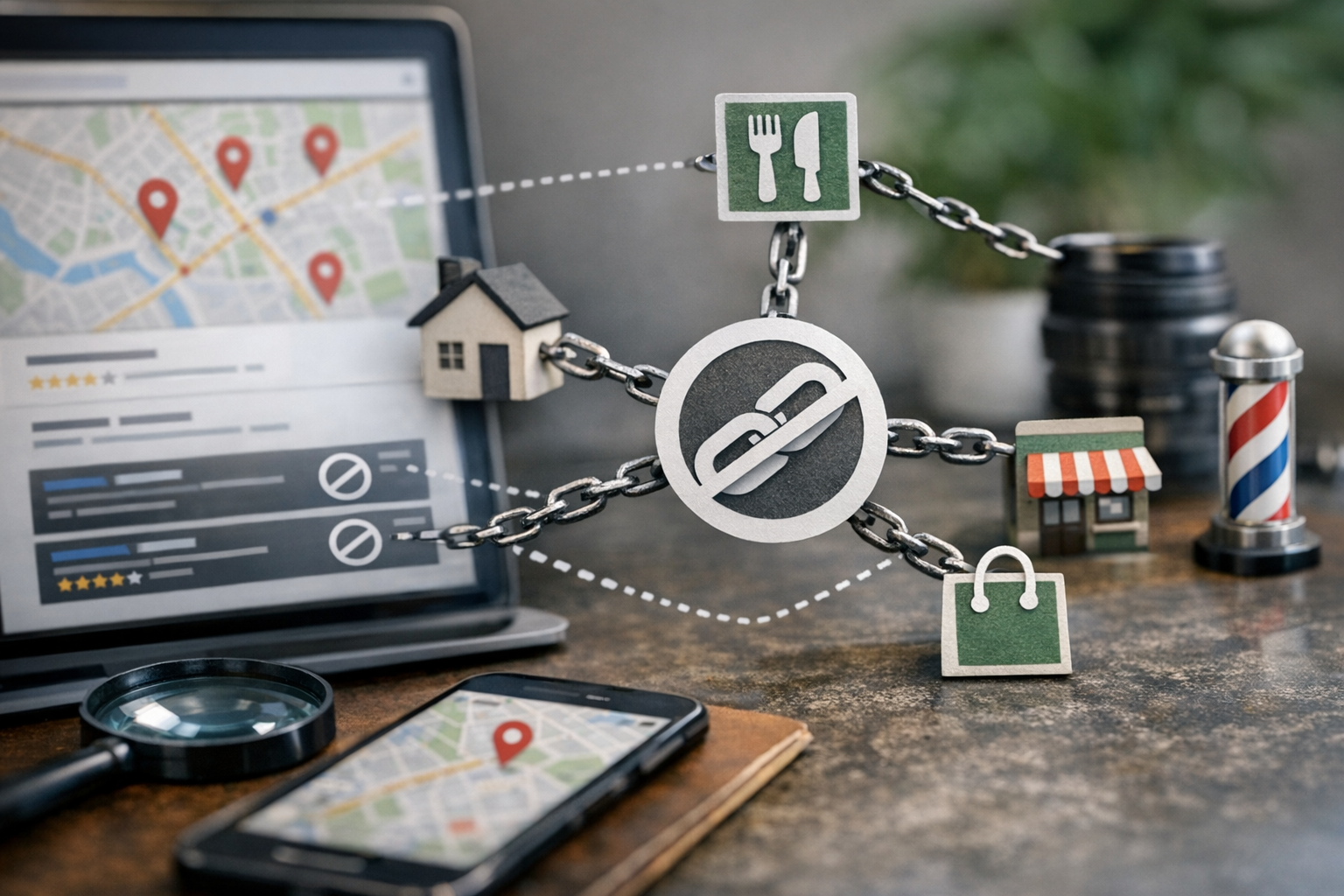
In the realm of local SEO, nofollow links offer unique advantages. They can complement local search results by contributing to a site’s overall backlink diversity, enhancing local credibility and visibility. While these links do not directly impact rankings, they support a favorable linking environment that is key to local SEO success.
For example, a local business that secures nofollow links from regional directories or community boards can enhance its standing within local search results. This approach aligns with nurturing a natural backlink profile, which Google and other search engines regard as more credible and less manipulative. Consequently, even if nofollow links do not immediately boost rankings, their role in painting a complete picture of authority and relevance can tangibly boost the site’s engagement within its local market over time.
Comparison with National SEO
Nofollow links serve varied strategic roles in local versus national SEO efforts. Local SEO efforts generally focus on achieving targeted visibility within specific geographical areas. On the other hand, national campaigns seek to establish a wide authoritative presence. Understanding these distinct applications ensures that businesses exploit the correct potential—using nofollow links to maintain relevance locally while establishing authority nationally.
Using nofollow links strategically in both contexts ensures a comprehensive SEO approach. For local SEO, these links can support community-centric engagement, while national campaigns can benefit from broad reach and industry acknowledgment. Effectively marrying these objectives allows businesses to craft tailored strategies that align with market needs at any scope.
Practical Application: Integrating Nofollow Links
Implementation Techniques
The effective implementation of nofollow links necessitates a nuanced approach, starting with the proper application of the rel=”nofollow” tag within HTML code. This is especially critical in paid links, advertisements, or user content, where maintaining a clear distinction between organic and promotional links is key. Google’s advanced link management tools offer valuable insights and assistance in tracking and balancing these link types within your SEO efforts.
Incorporating nofollow links within a strategic link-building plan requires attentive execution and monitoring. Specific HTML code performance, changes in referral traffic, and evolving search engine results should be continually assessed to ensure that your links maintain synergy with broader SEO campaigns. Careful use of nofollow links contributes to a natural link profile while elevating a website’s authority within relevant domains.
Best Practices
When managing nofollow links, it is paramount to remain focused on transparency and content quality. Encouraging the organic placement of links by engaging audiences on reputable websites is a non-negotiable tenet of successful SEO endeavors. Website owners should avoid exploitative practices that focus solely on link volume, which can erode credibility and result in penalties from search engines.
Taking advantage of dynamic linking environments—while adopting a content-first approach—enhances your site’s natural linking profile. By integrating nofollow attributes with thoughtfulness and integrity, businesses can create an ecosystem that both boosts SEO efforts and respects ethical standards, ensuring long-term success and sustainability in digital marketing strategies.
ROI & Cost Analysis of Nofollow Link Usage

Cost-Benefit Evaluation
While nofollow links themselves don’t pass SEO value directly, their strategic deployment can achieve significant traffic and engagement cost-effectively. These links represent an opportunity to engage with users and audiences without incurring the expenses linked to purchasing paid links—a practice that often carries risk to SEO rankings.
Businesses seeking to ascertain the ROI from nofollow link strategies will find value not only through uplift in traffic and brand visibility but also through an expanded outreach in audience engagement. Calculating the benefits of such exposure over the resources spent offers important insights for businesses to refine and optimize their link building strategy continually.
Long-Term ROI Expectations
Nofollow links, when deployed strategically, yield long-term benefits by fostering trust and building a resilient brand presence. As these links contribute to an enhanced online footprint, businesses cultivate authority, secure consistent traffic flow, and maintain relevance—without the necessity of relying solely on conventional SEO strategies.
Real-world outcomes demonstrate that leveraging nofollow links within an overarching marketing strategy delivers impactful results. The accumulation of trusted voices backing your content builds lasting relationships with audiences, placing your brand on a trajectory towards sustained growth and engagement while minimizing dependence on SEO tactically.
Common Pitfalls When Leveraging Nofollow Links
Misconceptions to Avoid
There are several misconceptions surrounding the implementation of nofollow links. Chief among them is the over-reliance on these links with the misguided belief that they directly impact SEO rankings. In reality, nofollow links function best as part of a broader link-building strategy, complementing other significant search engine optimization efforts.
Website owners must recognize that nofollow links, while essential in their respectful placement and relevancy to audience engagement, should not replace robust content strategies. Emphasizing the qualitative benefits of nofollow links while pairing them with dynamic SEO techniques fosters holistic growth.
Ineffective Strategies
Sole reliance on nofollow links can lead to missed opportunities, especially if they are not integrated with an overarching SEO plan. Nofollow links should be viewed as an auxiliary mechanism, enhancing your site’s link profile and opening windows for traffic generation alongside authoritative content output.
It is crucial to avoid neglecting the wider diploma of SEO tactics that should accompany a successful nofollow strategy. Maximizing the impact of nofollow links involves pairing them with high-quality, engaging content to ensure they act as an effective linchpin in an overall strategy aimed at boosting branding, traffic, and eventual conversions.
Quick Tip: Pairing nofollow links with quality content and targeted outreach maximizes their utility, maintaining an organic and effective backlink profile.
Case Studies: Success Stories with Nofollow Links

Example A: Local Business
Consider the example of a small local bakery that successfully employed nofollow links to increase visibility and foot traffic. By linking to its own website through local community forums and niche blog posts, the bakery witnessed a notable uptick in customer interactions and offline sales. The strategic placement of these links not only fostered discussions within local communities but also complemented traditional physical marketing efforts, working to enhance brand awareness offline and digitally.
Example B: National Brand
A renowned national retail brand harnessed the power of nofollow links from industry influencers and esteemed online publications. By using these links, the brand could enhance its expansive outreach, build credibility, and increase brand visibility without the fear of triggering penalties common with over-coordinated link placement. Through strategic partnerships, this brand fortified its SEO rankings and established a broader digital footprint amid aggressive competitive landscapes.
Future of Nofollow Links in SEO
Predicted Changes
As search engine algorithms advance, the understanding and application of nofollow links are expected to shift. This evolution indicates a future where search engines deploy deeper AI solutions to interpret nofollow links, potentially increasing their influence on site authority, relevance, and even search rankings signal processing.
SEO strategists should prepare for these anticipated shifts by continuously aligning their strategies with emerging industry practices and Google’s guidelines. By staying attentive to these trends, your SEO strategy remains robust and adaptable, allowing businesses to maintain an edge over rivals and succeed in increasingly competitive digital markets.
Strategic Adaptations for 2026
Preparing for future algorithm changes involves anticipating shifts in the role of nofollow links. As search engines potentially integrate AI advancements to evaluate relations and influence, businesses must seize opportunities to maintain the relevance and impact of their links—both follow and nofollow.
Keeping pace with industry developments, businesses must refine their SEO strategies continually and adopt a flexible approach to their use of nofollow links. By ensuring that strategies evolve with technology advancements, SEO professionals can guarantee sustained effectiveness and integrity in their optimization efforts.
Frequently Asked Questions
How do nofollow links impact local SEO rankings?
Can nofollow links drive significant referral traffic?
What are common mistakes with nofollow links in SEO?
Are nofollow links beneficial for national SEO campaigns?
What future SEO trends could affect nofollow link usage?
What has Google’s response been to nofollow link strategies?
